Your Cart is Empty

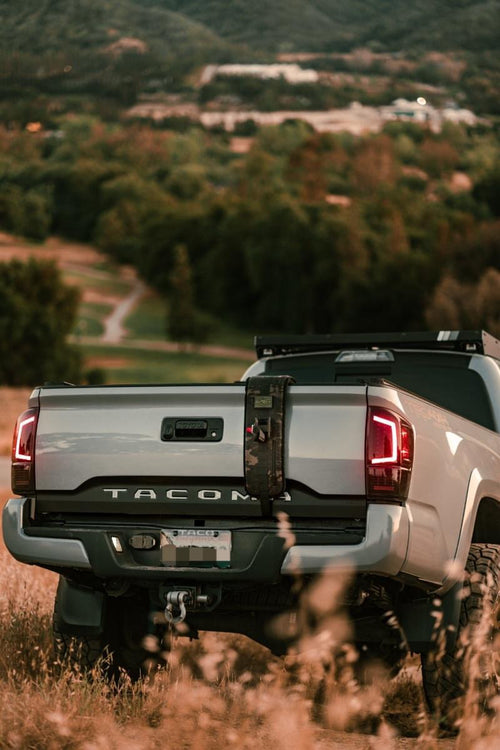

The roof top tent was supposed to be the move.
You bought it. Mounted it. Drove it everywhere. Got the photos. Watched the likes roll in.
And then reality set in.
Four years. That's the average lifespan of a pop-up roof ent before the zippers start failing, the fabric starts leaking, and the hardware starts creaking on every turn. Add the thousands of dollars in extra fuel burned hauling that extra weight, the accelerated tire wear from the increased load, and the suspension stress you didn't budget for — and that "investment" starts looking a lot more like an expensive experiment.
The overlanding industry sold us a lifestyle. What it actually delivered was a maintenance schedule.
The Truck Wasn't the Problem. The Noise Was.
Look at this Tacoma.
Lifted. Capable. Bronze wheels. Roof tent deployed in the mountains. It looks exactly right — because it is exactly right. But here's what most people miss: this build works not because of how much is on it, but because of how deliberately everything was chosen.
Nothing on this truck is there for the algorithm. Everything earns its place on the trail.
That's the difference between a build that ages and a build that lasts.
The Market Is Correcting
The overcrowded era peaked around 2021. Builds got heavier. Slower. More expensive to run and harder to actually enjoy. Truck beds turned into gear graveyards. Tailgates became obstacle courses.
And somewhere between the third accessory that broke on the trail and the second tank of premium fuel hauling gear they never used, serious truck owners started asking a different question.
Not "what can I add?"
But "what do I actually need?"
The answer is almost always less than you think.
Minimalist and Off-Road Capable Isn't a Compromise — It's the Upgrade
The builds turning heads in 2025 aren't the most loaded. They're the most intentional. Clean lines. Capable tires. Gear that disappears when you don't need it and shows up exactly when you do.
The shift isn't about going without. It's about going smarter.
Less weight means better fuel economy. Less hardware means fewer failure points on the trail. Less visual noise means a truck that looks like it actually goes places — because it does.
That's Why We Built Bomber Strap
No drilling. No permanent hardware. No bolted-on bulk that adds weight and subtracts capability.
Just a strap system that secures your gear, protects your truck, and gets out of the way when the trail gets serious.
Because the best truck accessory isn't the one that gets the most attention in the parking lot. It's the one that performs when it actually matters.
The trend toward minimalist, off-road capable builds isn't coming. It's already here.